
Dermatology
Radiofrequency technology causes water molecules within cells to undergo vigorous motion under the influence of 4.0 MHz radiofrequency electromagnetic waves, leading to cell swelling and rupture, thereby enabling low-temperature tissue cutting. The intense molecular motion generates a certain amount of heat, which in turn promotes coagulation of small blood vessels. Conventional high-frequency electrosurgical devices (typically operating at frequencies between 400 kHz and 750 kHz) convert electrical energy into thermal energy, causing local tissue carbonization and thus achieving both cutting and hemostasis. In comparison, radiofrequency technology causes less thermal damage to tissues during surgery, making it particularly well-suited for delicate, minimally invasive procedures. Its unique spray-coagulation function can effectively address significant bleeding issues encountered in clinical surgeries.
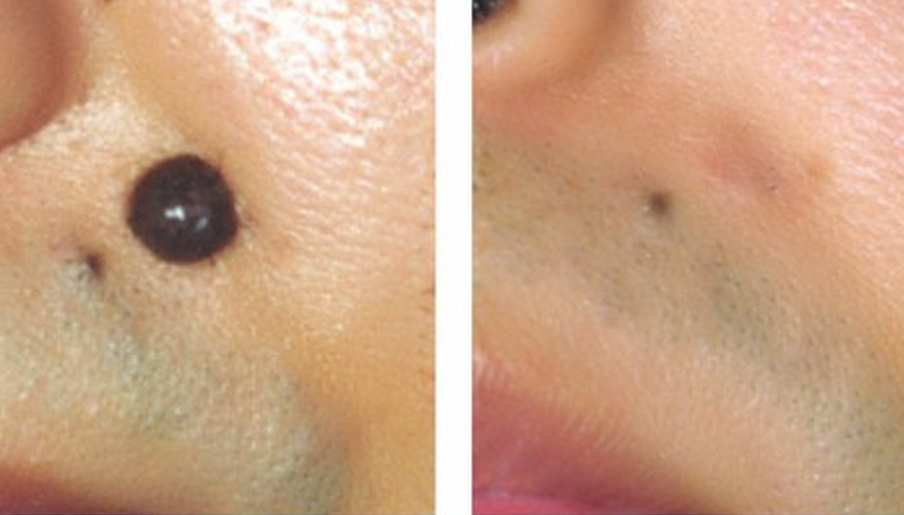
Surgical features: low-temperature cutting, precision, accuracy, tissue carbonization-free, and no scarring.
Clinical application
Excisional treatment (for spots, moles, warts, skin tags, etc.), circumcision surgery
Previous Page:
Next page:
recommend News
All my colleagues in our company are united and cooperative, determined to innovate, and constantly surpass, showing the new style of continuous self-improvement and scientific management of enterprises in the new era.


Home
Product
Application
News
About
Contact Us
Message consultation
If you are interested in our products, please leave your phone number.
Consult immediately →